
Sleep Apnea: What It Is, What Causes It, and Why It Matters
Sleep apnea is one of the most common sleep disorders in the United States, yet many people go years without knowing they have it. If you have been told you snore loudly, wake up feeling unrested, or struggle to stay focused during the day, sleep apnea may be a factor worth discussing with your healthcare provider.
At the dental office of Dan P. Hilton, DDS, we believe that good health starts with good information. Understanding sleep apnea, its symptoms, and its risks is an important first step toward getting the care and support you need.
What Is Sleep Apnea?
Sleep apnea is a sleep disorder in which breathing repeatedly stops and starts throughout the night. These pauses in breathing, called apneas, can last from a few seconds to over a minute. They may happen dozens or even hundreds of times while you sleep, often without you realizing it.
There are three main types of apnea sleep disorders:
- Obstructive sleep apnea (OSA) is the most common form. It occurs when the muscles in the throat relax during sleep, causing the airway to narrow or close completely.
- Central sleep apnea occurs when the brain fails to send the proper signals to the muscles that control breathing. This type is less common and is often related to other health conditions.
- Complex sleep apnea syndrome, also called treatment-emergent central sleep apnea, is a combination of both obstructive and central sleep apnea.
Obstructive sleep apnea is by far the most frequently diagnosed and is often the type associated with loud snoring, daytime fatigue, and other well-known sleep apnea symptoms.
Recognizing Sleep Apnea Symptoms
Sleep apnea symptoms can be easy to overlook, especially since most occur while you are asleep. A bed partner or family member may notice signs before you do. Common sleep apnea symptoms include:
- Loud, frequent snoring
- Gasping or choking sounds during sleep
- Waking up with a dry mouth or sore throat
- Morning headaches
- Difficulty staying asleep or waking frequently during the night
- Excessive daytime sleepiness, even after a full night of rest
- Difficulty concentrating or memory problems
- Irritability or mood changes
Not everyone with sleep apnea snores, and not everyone who snores has sleep apnea. If you are experiencing several of these symptoms consistently, it is worth speaking with a healthcare provider. A formal diagnosis typically involves a sleep study conducted by a qualified medical professional.
What Causes Sleep Apnea?
Sleep apnea has several possible causes, and in many cases, more than one factor is involved. Understanding the contributing factors can help patients and providers work together toward an effective plan.
Physical and Anatomical Factors
The structure of your airway plays a significant role in obstructive sleep apnea. A narrowed airway, large tonsils, a small jaw, or excess tissue at the back of the throat can all make it harder for air to flow freely during sleep. When the throat muscles relax, these structural factors can lead to partial or complete blockages.
Weight and Body Composition
Excess weight, particularly around the neck and upper body, is one of the most common contributing factors to obstructive sleep apnea. Additional soft tissue in the throat area can put pressure on the airway and increase the likelihood of obstruction during sleep.
Age and Gender
Sleep apnea becomes more common with age. Older adults often experience a natural loss of muscle tone throughout the body, including in the throat and airway. Men are also diagnosed with sleep apnea more frequently than women, though the risk for women increases after menopause.
Lifestyle Habits
Alcohol and certain medications, particularly sedatives and sleeping pills, can cause the throat muscles to relax more than usual, increasing the risk of airway obstruction. Smoking irritates and inflames the upper airway, which can also contribute to sleep apnea. Sleeping on your back may worsen symptoms by allowing gravity to pull soft tissue toward the airway.
Family History and Genetics
Sleep apnea can run in families. If a close relative has been diagnosed with the condition, you may have a higher likelihood of developing it yourself. Genetic factors that influence airway anatomy, weight distribution, and other physical traits can all play a part.
Medical Conditions
Certain health conditions are associated with a higher risk of sleep apnea. These include high blood pressure, type 2 diabetes, chronic nasal congestion, and hypothyroidism. In the case of central sleep apnea specifically, neurological conditions or heart failure may also be involved. A healthcare provider can help evaluate whether an underlying condition may be contributing to your symptoms.
Can Sleep Apnea Kill You?
This is a question many patients ask quietly, and it deserves a thoughtful, honest answer. Sleep apnea itself is rarely a direct cause of death in otherwise healthy individuals. However, untreated sleep apnea is a serious condition that can significantly increase the risk of life-threatening health complications over time.
When breathing repeatedly stops during sleep, oxygen levels in the blood drop. This pattern places ongoing stress on the heart and cardiovascular system. Research has linked untreated obstructive sleep apnea to an increased risk of:
- High blood pressure (hypertension)
- Heart disease and irregular heart rhythms, including atrial fibrillation
- Stroke
- Type 2 diabetes
- Metabolic syndrome
- Cognitive decline
- Impairs memory
Beyond cardiovascular risk, untreated sleep apnea can also increase the likelihood of accidents. Daytime fatigue and impaired concentration make it harder to react quickly while driving or operating machinery, which can have serious consequences.
The encouraging news is that sleep apnea is a treatable condition. When it is properly diagnosed and managed, many patients experience meaningful improvements in their sleep, their energy levels, and their overall health. Getting evaluated is an important step.
Ready to Schedule a Consultation?
Exceptional care in a comfortable environment. Contact us today!
Frequently Asked Questions About Sleep Apnea
How do I know if I have sleep apnea?
The only way to confirm a sleep apnea diagnosis is through a formal sleep study, which is ordered by a qualified medical provider. That said, common signs include loud snoring, waking up feeling unrefreshed, excessive daytime tiredness, and a partner noticing that you stop breathing during sleep. If you are experiencing these symptoms, it is a good idea to speak with your doctor.
Can a dentist help with sleep apnea?
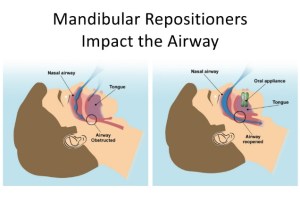
Yes. Dentists play an important role in the treatment of obstructive sleep apnea, particularly for patients who cannot tolerate or prefer an alternative to CPAP therapy. Oral appliance therapy uses a custom-fitted mouthpiece to gently reposition the jaw and tongue, helping to keep the airway open during sleep. A dentist trained in sleep-related breathing disorders can evaluate whether this type of treatment may be appropriate for you.
Is sleep apnea dangerous if left untreated?
Untreated sleep apnea is associated with an increased risk of serious health conditions, including high blood pressure, heart disease, stroke, and type 2 diabetes. It can also affect your quality of life by causing chronic fatigue, mood changes, and difficulty concentrating. Seeking evaluation and treatment can help reduce these risks and support your long-term health.
What is the most common treatment for sleep apnea?
CPAP (continuous positive airway pressure) therapy is the most widely prescribed treatment for moderate to severe obstructive sleep apnea. It works by delivering a steady stream of air through a mask to keep the airway open during sleep. For patients with mild to moderate sleep apnea, or those who find CPAP difficult to use consistently, oral appliance therapy may be recommended as an alternative. Lifestyle changes, such as weight management, reducing alcohol intake, and adjusting sleep position, can also make a meaningful difference.
Can children have sleep apnea?
Yes. Sleep apnea in children is more common than many parents realize. In younger patients, enlarged tonsils or adenoids are a frequent contributing factor. Signs in children may include snoring, restless sleep, mouth breathing, bedwetting, or behavioral changes such as difficulty focusing in school. If you are concerned about your child’s sleep patterns, a pediatrician or pediatric specialist can help determine whether further evaluation is needed.
Does losing weight help with sleep apnea?
For many patients with obstructive sleep apnea, weight loss can significantly reduce the severity of symptoms. Excess weight around the neck and upper body contributes to airway narrowing during sleep, so reducing that pressure can make a real difference. However, weight loss alone may not eliminate sleep apnea entirely, particularly in cases where structural factors are involved. Working with your healthcare provider to find a comprehensive approach is usually the most effective path forward.
We Are Here to Help You Take the Next Step
If you have questions about sleep apnea or are interested in learning whether oral appliance therapy might be right for you, we welcome the conversation. Our team is here to listen, answer your questions, and help you feel informed and comfortable throughout the process.
To schedule an appointment with Dr. Dan P. Hilton, please contact our office at 818-347-3971 We would be glad to help you take the next step with confidence.